Axle & Shaft Repair
Precision machining of damaged and worn axle and shafts. Reducing downtime, repair costs and operational disruption.


 Yaw Ring Teeth Repair Patented in-nacelle machining. The ring is repaired where it stands - no removal, no crane.
  Rotor Lock Repair Full rotor lock seat restoration in-nacelle. No component removal required.
  Bolt Removal & Thread Repair Failed or seized bolts removed and threads recovered without replacing the host component.
  Yaw Sliding Surface Repair On-site repair of worn yaw sliding surfaces. No yaw ring exchange, no crane.
  Yaw Gear Mounting Flange Repair Worn yaw gear mounting flanges and damaged threads repaired uptower.
  Brake Disc Repair Damaged brake disc sections milled out and replaced uptower.
  Generator Shaft Repair Worn generator shafts machined back to tolerance in place. No generator replacement.
  Blade Root Contact Surface Repair CNC-controlled machining of worn or damaged blade root contact surfaces.
  Blade Root Bushing Repair Restore damaged blade root inserts onsite, reducing downtime from months to days.
  Blade Surface Milling Repair 3D milling of damaged blade areas to an exact surface - uptower or on ground.
  Monopiles & TPs Sub-millimetre flatness on monopiles and transition pieces. Precision machining performed before installation.
  Tower Flanges Tower section flange flatness restored on-site. No re-fabrication, no transport.
  Industrial Flange Machining Sub-millimetre flatness restored on site for industrial flanges on large production machinery.
  Sea Fastening Machining sea fastenings and towers stands to the required tolerances without transporting the structures to a workshop.
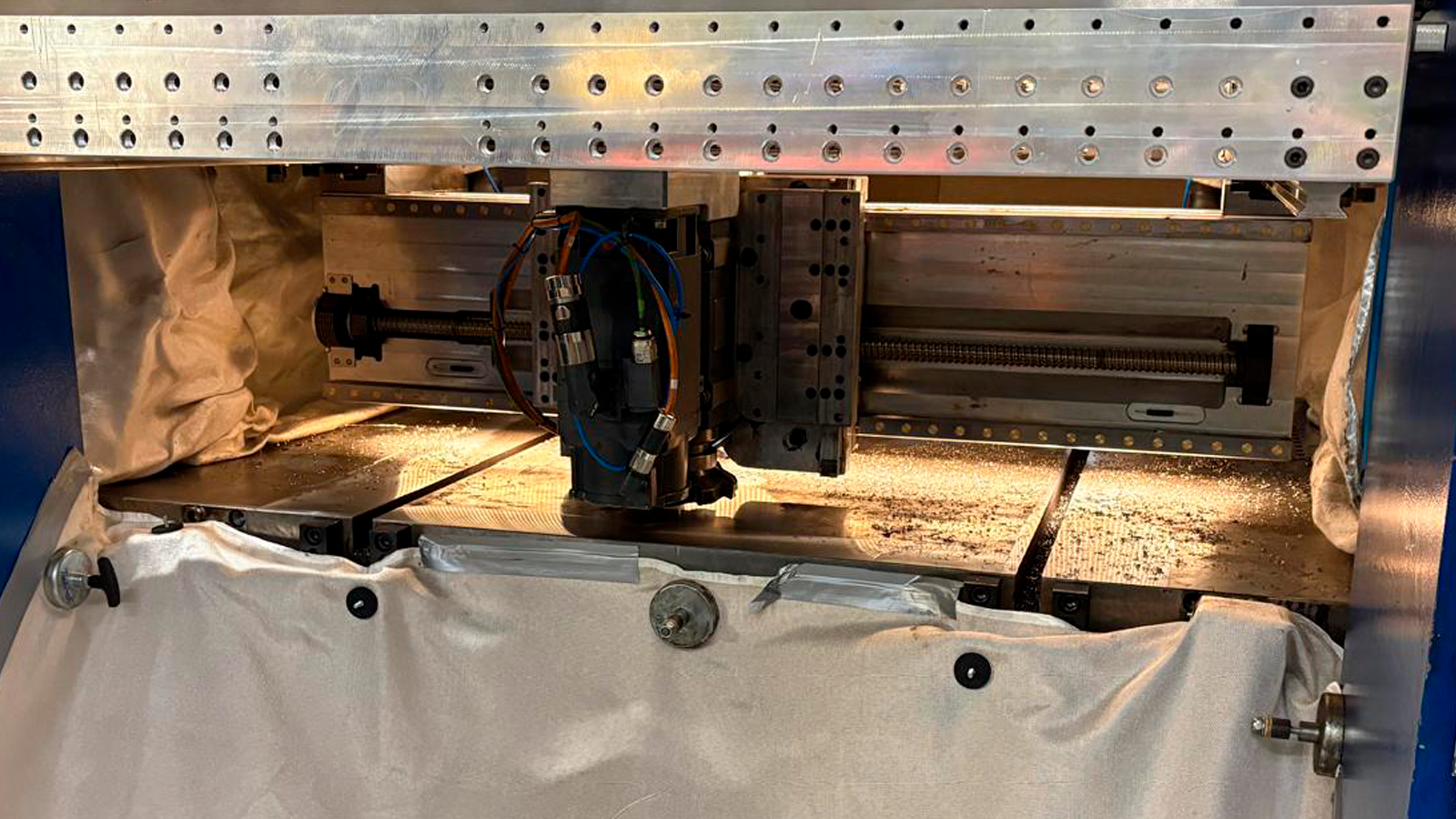
  Machine Plane Restoration On-site machining of machine plane. Flatness restored within specs without disassembling the press.
  Line Boring Portable line boring for large bores in-situ. Heavy industry, marine, energy.
  Axle & Shaft Repair Worn or damaged axle and shaft journals restored on-site. No removal, no replacement.
  3D Laser Tracker Measurement Portable laser tracker measurement of large components. Hole patterns, reference points, machine alignment and flange geometry - up to 0.05 mm.
  Easy-Laser Measurement Easy-Laser alignment and geometric measurement. Flange flatness, tilt, shaft and machine alignment - verified and documented on site.
  3D Scanning Handheld ZEISS 3D laser scanning on site. Reverse engineering, CAD comparison, wear and damage analysis - metrology-grade digital documentation.
Precision machining of damaged and worn axle and shafts. Reducing downtime, repair costs and operational disruption.
Trusted by wind operators and OEMs across Europe and North America
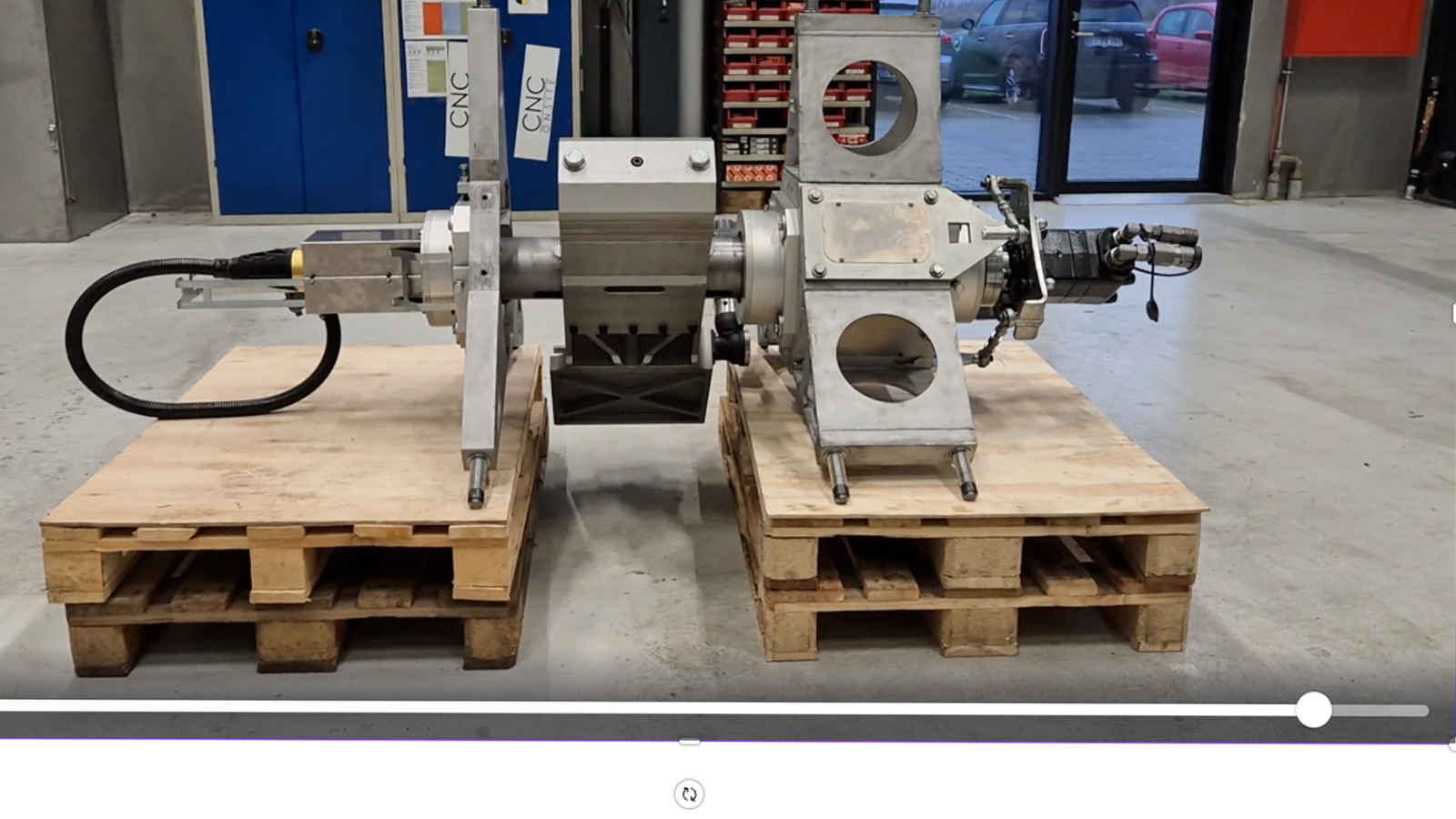
Worn or damaged axle and shaft journals are restored on site with a mobile CNC shaft turning system. No shaft removal. No component replacement. Equipment returns to service faster and at significantly lower cost.
The damaged material is removed in a controlled machining process, creating a new reference surface with the required geometry. A new ring is then installed onto the shaft, restoring its functional dimensions and providing a new wear surface - at 0.05 mm positioning tolerance and a surface roughness of Ra 0.8 μm or better.
Replacing a shaft means sourcing replacement parts, major disassembly and extended downtime. Restoring the damaged shaft avoids those costs - with an expected lifetime similar to the original.
Send us your damage report or turbine type and we will respond within one working day with an assessment and indicative quote.

An engineer will get back to you within one working day.
Typical duration is 2 to 5 days on-site. Restoring a damaged shaft is often considerably faster than sourcing and replacing major components, helping operators return turbines, generators and industrial machinery to operation sooner.
No. The repair is performed on-site with a mobile CNC shaft turning system. The damaged material is removed in a controlled process and a new ring is installed onto the shaft, restoring its functional dimensions without removing or replacing the shaft.
The repair achieves a positioning tolerance of 0.05 mm and a surface roughness of Ra 0.8 micrometres or better, delivered under ISO 9001 and to OEM specification.
The solution covers generator and gearbox shafts on wind turbine generators and other industrial machinery. It is designed for precision-machined interfaces where even minor surface damage can prevent correct assembly.
The expected lifetime is similar to the original. The machining creates a new reference surface with the required geometry, and the new ring provides a new wear surface.